
Search Articles
Why Generator Installation is Essential for Long Island Homes
Power outages can happen at any time, leaving homeowners without essential electricity for hours—or even days. Whether caused by storms, equipment failure, or grid overload, losing power can be more than just an inconvenience. It can disrupt daily life, damage appliances, and even create safety hazards.
For Long Island residents, having a reliable backup power source is crucial. Installing a generator ensures that your home remains powered through outages, keeping your family safe and comfortable. At StandTech Electric, we specialize in professional generator installation, offering both standby and portable solutions to fit your needs.
In this guide, we’ll explore the importance of generator installation, the types of generators available, and why hiring a certified electrician is essential for a safe and effective setup.
1. Why Every Home Needs a Backup Generator
Long Island experiences frequent power outages due to severe weather, aging infrastructure, and increasing electricity demands. A backup generator is more than just a luxury—it’s a necessity for maintaining essential household functions.
The Risks of Power Outages
When the power goes out, many aspects of daily life are affected:
- Loss of Heating & Cooling: HVAC systems stop working, leaving homes unbearably hot in summer or dangerously cold in winter.
- Food Spoilage: Refrigerators and freezers lose power, causing perishable food to spoil within hours.
- Medical Equipment Failure: Those who rely on powered medical devices, like oxygen machines or CPAP machines, face serious health risks.
- Security Concerns: Home security systems and smart locks often fail during an outage, making homes more vulnerable.
- Inconvenience & Discomfort: Without electricity, lighting, Wi-Fi, and entertainment options are unavailable, disrupting normal routines.
A generator ensures that these crucial functions continue, providing power until electricity is restored.
2. Types of Generators: Which One is Right for You?
Choosing the right generator depends on your power needs, budget, and whether you prefer an automatic or manual backup solution.
Standby Generators
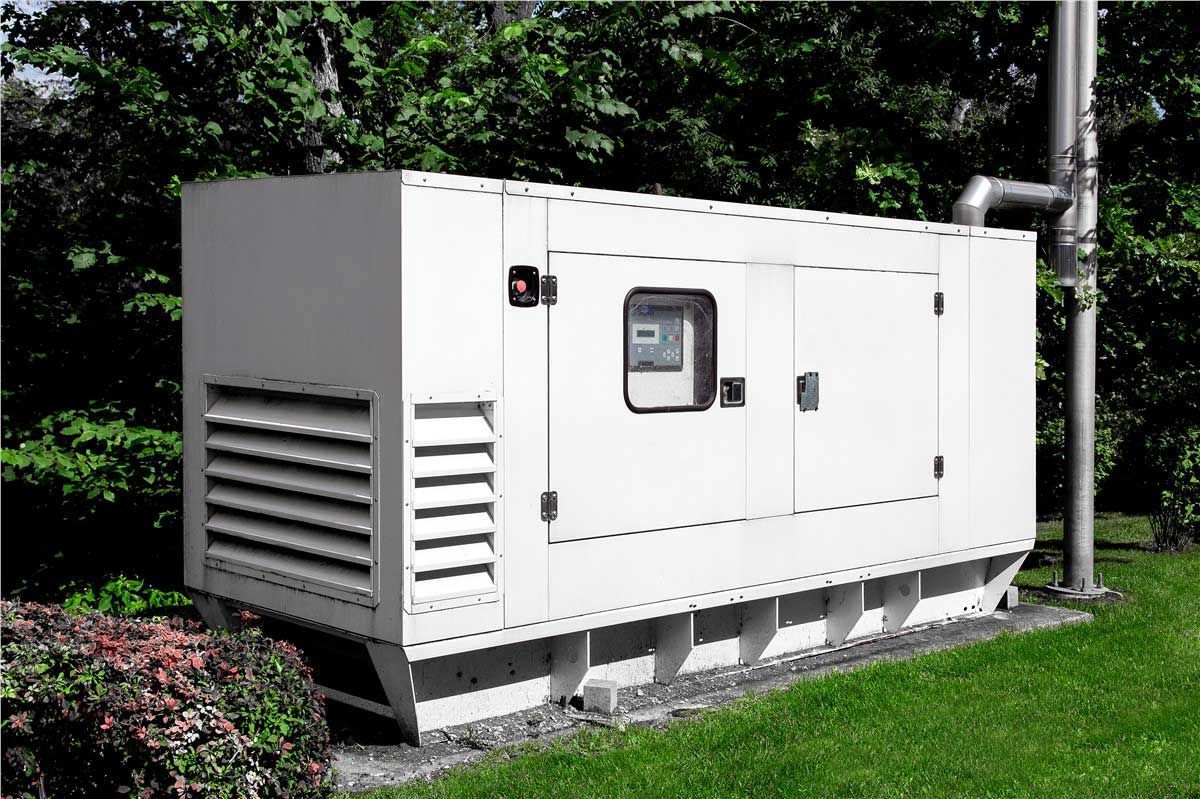
Standby generators are permanently installed outside the home and automatically turn on during an outage. These generators:
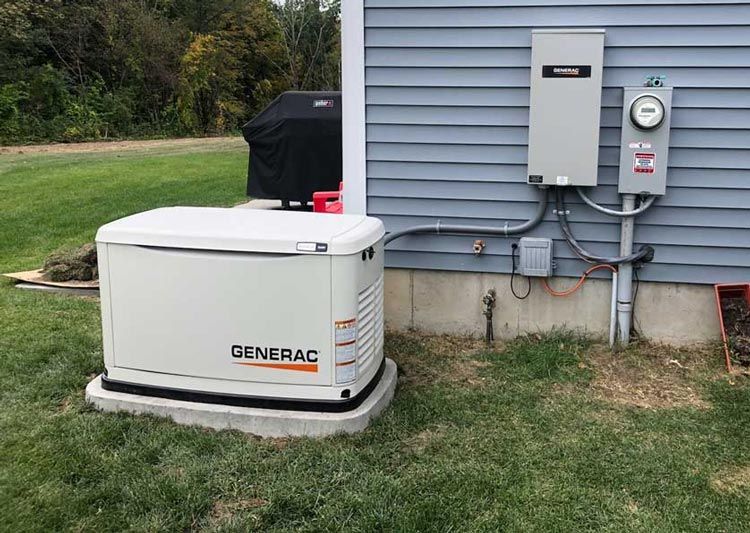
- Are connected to your home’s electrical system via a transfer switch.
- Run on natural gas or propane, providing long-term backup power.
- Automatically restore power within seconds of an outage.
- Can power your entire home or select essential appliances.
Standby generators are ideal for homeowners who want a hands-free, reliable backup power source.
Portable Generators
Portable generators are a more affordable option but require manual setup. They:
- Must be manually started and connected to appliances via extension cords.
- Typically run on gasoline, requiring frequent refueling.
- Are ideal for short-term use and powering a few essential items.
While portable generators are useful in emergencies, they don’t offer the convenience or reliability of a permanent standby generator.
Which One Should You Choose?
- For whole-home power & automatic backup → Standby generator.
- For occasional use & lower cost → Portable generator.
At StandTech Electric, we can help you determine which type of generator best suits your home and budget.
3. The Generator Installation Process: What to Expect
A professional generator installation ensures safety, efficiency, and compliance with local electrical codes. Here’s what to expect when working with StandTech Electric:
Step 1: Home Assessment
Our certified electricians evaluate your home’s power needs, layout, and fuel source options to recommend the right generator.
Step 2: Selecting the Generator
We help you choose a generator based on:
- Your power requirements (whole-home vs. essential appliances).
- Fuel availability (natural gas, propane, or gasoline).
- Budget and long-term maintenance preferences.
Step 3: Installation & Wiring
Our team installs the generator and connects it to your home’s electrical panel using a transfer switch, ensuring seamless operation.
Step 4: Testing & Final Inspection
Once installed, we conduct a full system test to verify the generator functions properly and meets all safety standards.
A professionally installed generator guarantees peace of mind during power outages. Contact StandTech Electric to schedule your installation today!
4. Generator Maintenance & Repairs: Ensuring Long-Term Reliability
Like any major appliance, generators require regular maintenance to ensure they function when needed.
Signs Your Generator Needs Repairs
- Difficulty starting or frequent stalling.
- Increased fuel consumption or unusual noise.
- Failure to supply consistent power during outages.
Ignoring these signs can lead to complete generator failure during a critical moment. Our generator repair services at StandTech Electric diagnose and fix issues before they escalate.
Preventative Maintenance Tips
- Run the generator regularly to prevent mechanical issues.
- Check fuel and oil levels frequently.
- Schedule annual inspections with a professional.
A well-maintained generator ensures your home stays powered whenever an outage occurs.
5. Why Professional Installation Matters
Installing a generator involves complex electrical work that must be handled by a licensed electrician to ensure safety and compliance with local codes.
The Risks of DIY Generator Installation
- Electrical Hazards: Improper wiring can cause fires or electrocution.
- Backfeeding Risks: Connecting a generator incorrectly can send power back into the grid, endangering utility workers.
- Code Violations: Incorrect installation may violate building codes, leading to fines or insurance issues.
At StandTech Electric, our certified electricians handle all aspects of generator installation, ensuring safe and efficient operation.
6. How a Transfer Switch Enhances Generator Performance
A transfer switch is a crucial component that safely connects your generator to your home’s electrical system.
Why You Need a Transfer Switch
- Prevents Backfeeding: Stops electricity from flowing back into the grid, which can be dangerous.
- Automatic Power Switching: Standby generators automatically transfer power when an outage occurs.
- Simplifies Operation: No need for extension cords or manual switching.
Our team at StandTech Electric ensures proper transfer switch installation for seamless power transitions.
Conclusion: Protect Your Home with Expert Generator Installation
A backup generator is an essential investment for Long Island homeowners, protecting against unexpected power outages and ensuring continued comfort, security, and safety. Whether you need a standby generator for automatic backup power or a portable generator for temporary use, professional installation is key to reliable performance.
At StandTech Electric, we offer expert generator installation, maintenance, and repairs to keep your home powered year-round. Don’t wait for the next outage—contact us today to schedule a consultation!

Most homeowners invest in a whole house surge protection device and then promptly forget it exists. It gets installed at the electrical panel, does its job

As summer temperatures climb and air conditioners run around the clock, homeowners across the country are feeling the strain of rising electricity bills an

Power outages are no longer rare inconveniences. Across the country, aging grid infrastructure, increasingly severe summer storms, and rising electricity d

There is something undeniably magical about a well-lit garden at night. The right lighting transforms an ordinary outdoor space into a breathtaking landsca

There are certain smells in a home that should never be ignored, and the acrid, unmistakable odor of burning plastic near an electrical outlet is absolutel

As energy costs continue to rise, homeowners across the country are looking for smarter ways to manage their utility bills without sacrificing comfort. The

How Attic Fans Reduce Cooling Costs During Summer - Standtech Electric explains energy savings, reduced AC run time, and improved comfort to lower bills.

Electric vehicles are becoming a common sight on roads across the country, and more homeowners than ever are making the switch from traditional gas-powered

why a flickering light could indicate a deeper electrical problem - Standtech Electric explains common causes, summer risks, and when to call a pro.

what causes a circuit breaker to feel warm to the touch - Standtech Electric explains causes, risks and safe next steps to protect your home.

why regular electrical inspections are vital for older homes - Standtech Electric helps prevent fires, lower insurance risk, and keep systems safe.

why professional installation is crucial for exterior electrical safety - Standtech Electric explains outdoor wiring risks, code, permits & safe installs.

what are the risks of DIY landscape electrical projects - Standtech Electric: hazards, code risks, and long-term costs of DIY work.

Why commercial electrical infrastructure requires expert repair - Standtech Electric: Code, safety and compliance to protect operations and prevent fires.

steps involved in a professional commercial lighting installation - Standtech Electric offers planning, permits, load checks and compliant installs.

how to know if you need a circuit breaker panel replacement. Standtech Electric outlines key warning signs, risks, and when to call an electrician.

Contact StandTech Today us
Contact - Website Form
Most homeowners invest in a whole house surge protection device and then promptly forget it exists. It gets installed at the electrical panel, does its job
As summer temperatures climb and air conditioners run around the clock, homeowners across the country are feeling the strain of rising electricity bills an
Power outages are no longer rare inconveniences. Across the country, aging grid infrastructure, increasingly severe summer storms, and rising electricity d
There is something undeniably magical about a well-lit garden at night. The right lighting transforms an ordinary outdoor space into a breathtaking landsca
There are certain smells in a home that should never be ignored, and the acrid, unmistakable odor of burning plastic near an electrical outlet is absolutel
As energy costs continue to rise, homeowners across the country are looking for smarter ways to manage their utility bills without sacrificing comfort. The