Search Articles
Why Every Home Needs a Whole House Surge Protector | StandTech Electric
The Hidden Danger of Power Surges
Power surges can happen in an instant, but their damage can last a lifetime. Whether caused by lightning, utility grid issues, or even large appliances cycling on and off, these sudden voltage spikes can fry your home’s electronics, damage essential appliances, and even increase the risk of electrical fires.
Without proper protection, your household items—from your refrigerator and HVAC system to your television and smart home devices—are constantly at risk. This is where a whole house surge protector comes in.
At StandTech Electric, we specialize in installing high-quality surge protection systems that safeguard your home from unexpected electrical spikes. In this guide, we’ll cover everything you need to know about whole house surge protectors, why they’re essential, and how you can get one installed by a licensed professional.
What Is a Whole House Surge Protector?
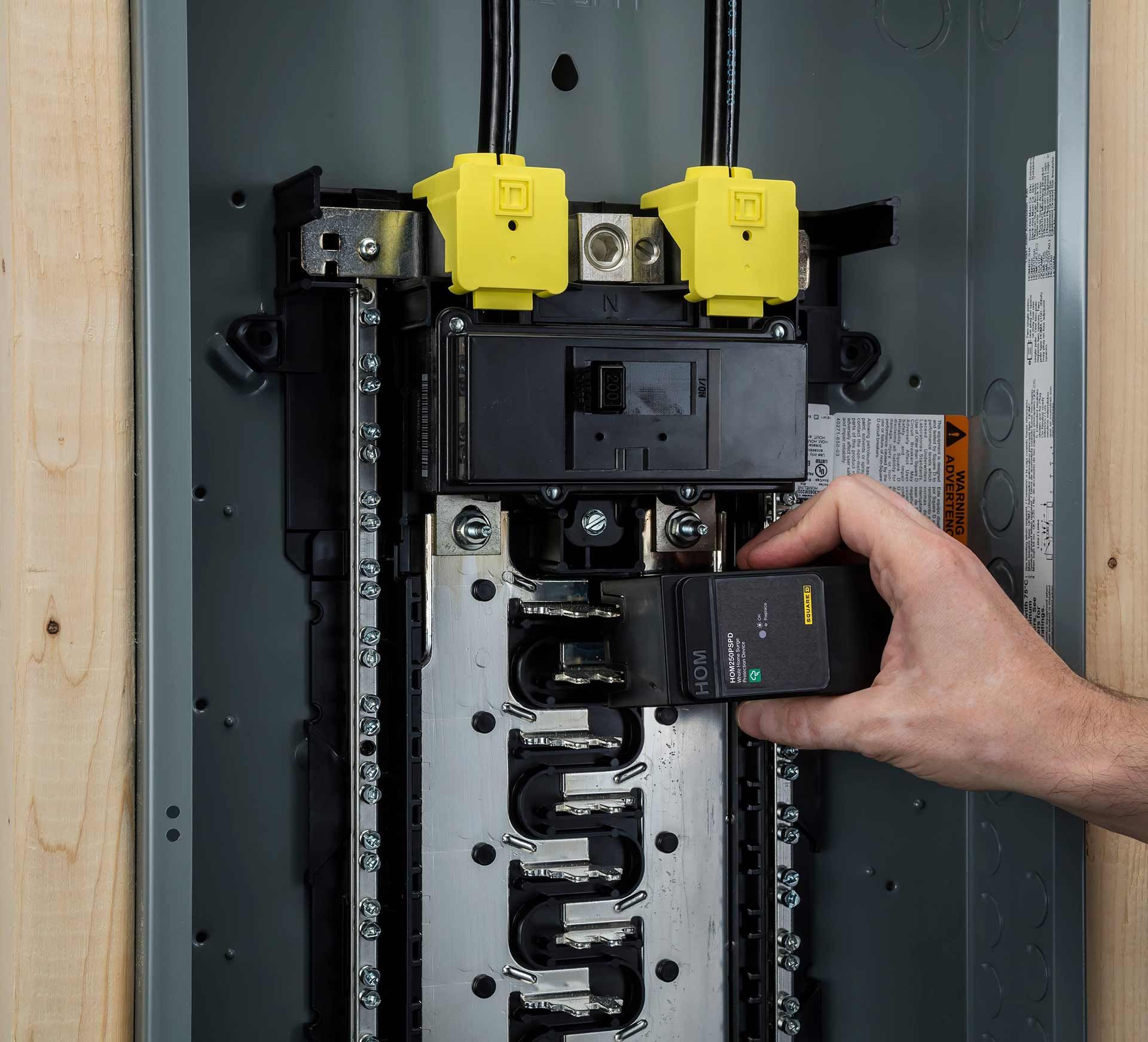
A whole house surge protector is a device installed at your home’s main electrical panel to protect all connected appliances and electronics from sudden voltage spikes. Instead of allowing excess electricity to flow through your circuits, the surge protector diverts this excess power safely into the ground—preventing damage to your electrical system.
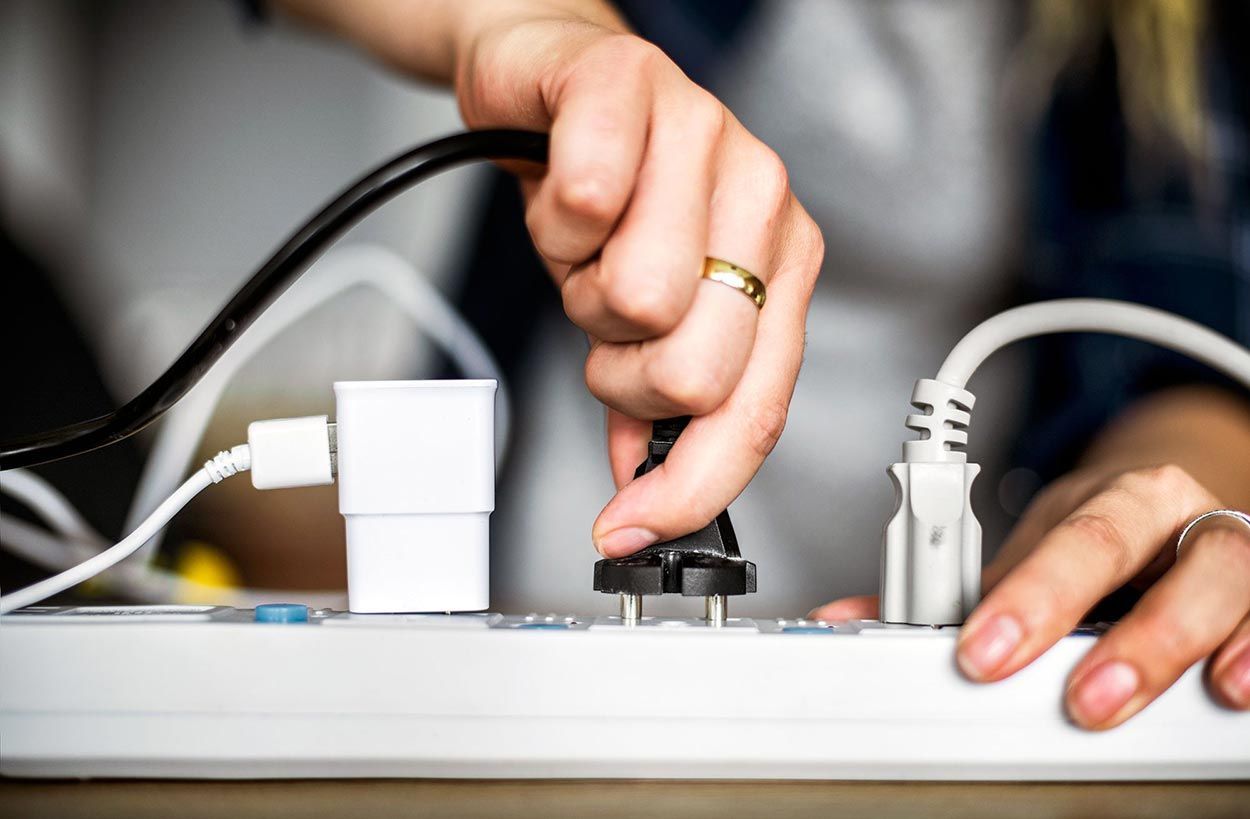
Many people assume that surge protection power strips are enough, but the truth is, those only protect the devices plugged directly into them. A whole house surge protector, on the other hand, provides comprehensive protection for every electrical outlet in your home.
How Whole House Surge Protectors Work
- Detecting Surges – The device continuously monitors voltage levels in your electrical system.
- Redirecting Excess Voltage – If a surge occurs, the protector diverts excess electricity safely into the ground.
- Protecting Appliances and Wiring – This process prevents damage to your home’s electrical wiring, major appliances, and sensitive electronics.
Without a whole house surge protector, your devices are vulnerable to small, frequent surges that can degrade their performance over time, leading to costly repairs or replacements.
The Key Benefits of Installing a Whole House Surge Protector
A whole house surge protector isn’t just an optional upgrade—it’s an investment in the safety and longevity of your home’s electrical system. Here’s why it’s worth it:
✅ 1. Protects All Electronics & Appliances
From refrigerators and HVAC systems to smart home gadgets and gaming consoles, a whole house surge protector ensures that all your valuable devices are shielded from electrical spikes.
✅ 2. Extends the Lifespan of Your Devices
Even small, unnoticed surges can gradually weaken electronics and shorten their lifespan. A surge protector eliminates these risks, helping your appliances last longer.
✅ 3. Saves You Money on Repairs & Replacements
Replacing a fried HVAC system or high-end entertainment setup can cost thousands of dollars. A whole house surge protector helps you avoid these unexpected expenses.
✅ 4. Reduces Fire Hazards
Power surges can overheat wires and lead to electrical fires. A whole house surge protector significantly lowers this risk by regulating excess voltage.
✅ 5. Meets National Electric Code (NEC) Standards
Many states now require whole house surge protectors as part of service panel upgrades, in compliance with the 2020 National Electric Code (NEC).
Do You Need a Whole House Surge Protector? Signs & Considerations
If you’re unsure whether your home needs a surge protector, here are a few key indicators:
🔹 Frequent Power Surges or Flickering Lights
If your lights dim or flicker when major appliances turn on, this could be a sign of voltage fluctuations in your system.
🔹 You Live in an Area Prone to Storms
Lightning strikes can cause dangerous power surges. If you live in an area with frequent storms, a surge protector is a must.
🔹 You Own High-Value Electronics & Smart Devices
Modern homes are filled with expensive gadgets. A whole house surge protector ensures these investments are safe from unexpected electrical spikes.
🔹 Older Home Electrical Systems
Homes with outdated wiring are more vulnerable to surges. A surge protector can add an extra layer of protection to prevent damage.
If any of these situations apply to you, it’s time to consider professional installation from StandTech Electric.
Installation Process: Why You Need a Professional Electrician
While some homeowners attempt DIY electrical work, installing a whole house surge protector is not a DIY project. Here’s why:
⚠️ 1. Safety Risks
Working with high-voltage electrical panels can be dangerous without the proper training. A licensed electrician ensures the installation is done safely and in compliance with all electrical codes.
⚠️ 2. Complexity of the Installation
Installing a surge protector involves hardwiring it into your electrical panel—a process that requires specialized knowledge and precision.
⚠️ 3. Compliance with Local Codes
A professional installation ensures your system meets National Electric Code (NEC) requirements, which is now mandatory in many states.
At StandTech Electric, our licensed electricians provide expert surge protector installation, ensuring your home is protected from day one.
Choosing the Right Whole House Surge Protector for Your Home
Not all surge protectors are created equal. Here are key factors to consider when choosing one:
🔹 Type 1 vs. Type 2 Surge Protectors
- Type 1: Installed at the service entrance before the main breaker panel. Provides the highest level of protection.
- Type 2: Installed at the main panel to protect the home’s internal electrical system.
🔹 Voltage Rating
Look for a protector rated for at least 20,000 to 50,000 amps to ensure full-home coverage.
🔹 Response Time
A fast response time (measured in nanoseconds) ensures protection against sudden spikes.
🔹 Warranty & Longevity
StandTech Electric installs industry-leading surge protectors backed by a lifetime warranty, giving you peace of mind.
Frequently Asked Questions About Whole House Surge Protectors
❓ Is a whole house surge protector really necessary?
Yes! Power surges happen more often than you think, and they can cause long-term damage to your appliances and electrical system.
❓ Will it protect my HVAC system and other large appliances?
Absolutely. A whole house surge protector shields everything connected to your home’s electrical system, including your HVAC, refrigerator, and washing machine.
❓ Can I install a whole house surge protector myself?
It’s strongly recommended to hire a licensed electrician for safety and compliance reasons.
❓ How long does a whole house surge protector last?
Most high-quality surge protectors last 10+ years, but it’s best to have a professional check them periodically.
Protect Your Home Today with StandTech Electric
Power surges can strike at any moment, putting your home’s most valuable electronics at risk. The best way to ensure full-home protection is by installing a whole house surge protector.
At StandTech Electric, we provide professional surge protector installation with top-rated devices and lifetime-backed warranties. Our expert electricians ensure that your home stays safe from electrical spikes, so you never have to worry about costly damages or repairs.
📞 Call us today at (516) 407-3737 to schedule your installation!

What is the difference between standard surge strips and whole house EMP protection? Standtech Electric explains coverage, response speed, and key limits.

What causes a circuit breaker to buzz or hum during operation? Standtech Electric explains common causes, warning signs, and when to call an electrician.

Why proper bathroom ventilation is critical for preventing mold growth: Standtech Electric explains how effective exhaust fans protect your home and air quality.

How to tell if your ceiling box supports a heavy fan: learn what to check, when to upgrade, and how Standtech Electric can help.

How to calculate potential utility bill savings with battery storage: Standtech Electric explains rate spreads, demand charges, solar pairing, and savings estimates.

What are the signs that your attic needs better ventilation? Standtech Electric explains how to spot moisture, mold, heat buildup, and roof damage.

What are the safety standards for commercial exterior and perimeter lighting? Standtech Electric explains IES, NEC, OSHA, and local code requirements.

How to distinguish between simple repairs and complex electrical infrastructure needs? Standtech Electric explains warning signs, risks, and when to call an expert.

What are the safety benefits of lighting outdoor stairs and walkways? Standtech Electric explains how lighting helps prevent falls and improve security.

How does a residential battery energy storage system extend power during outages? Standtech Electric explains seamless backup, runtime, and solar benefits.

How does the Anker Solix E10 backup system function during power outages? Standtech Electric explains automatic switching, battery management, and solar recharging.

How to determine if your home wiring is outdated and unsafe? Standtech Electric explains warning signs and when to call a licensed electrician.

Why smart lighting sensors are a must for modern commercial spaces: Standtech Electric explains energy savings, comfort, and smarter building control.

How to choose the right color temperature for indoor lighting with expert guidance from Standtech Electric. Match bulbs to every room and mood.

How to select the best outdoor lighting fixtures for coastal weather with expert guidance from Standtech Electric on ratings, materials, and durability.

How to determine if a bathroom exhaust fan is effectively removing humidity with expert tips from Standtech Electric. Test airflow and spot warning signs.

Contact StandTech Today us
Contact - Website Form
What is the difference between standard surge strips and whole house EMP protection? Standtech Electric explains coverage, response speed, and key limits.
What causes a circuit breaker to buzz or hum during operation? Standtech Electric explains common causes, warning signs, and when to call an electrician.
Why proper bathroom ventilation is critical for preventing mold growth: Standtech Electric explains how effective exhaust fans protect your home and air quality.
How to tell if your ceiling box supports a heavy fan: learn what to check, when to upgrade, and how Standtech Electric can help.
How to calculate potential utility bill savings with battery storage: Standtech Electric explains rate spreads, demand charges, solar pairing, and savings estimates.
What are the signs that your attic needs better ventilation? Standtech Electric explains how to spot moisture, mold, heat buildup, and roof damage.